Activated Carbon Used in Nuclear-Contaminated Water Treatment
What is Nuclear-Contaminated Water?
Nuclear wastewater refers to sewage that contains radioactive materials, typically originating from various sources, including nuclear power plants, nuclear weapons production facilities, nuclear experiments, medical institutions, and the disposal of nuclear waste.
The Hazards of Nuclear-Contaminated Water
Nuclear-contaminated water has serious hazards, including radiation risks, adverse effects on human health, environmental contamination, disruption of the ecological balance and contamination of groundwater and surface waters, and thus threaten vital freshwater resources and marine ecosystems.
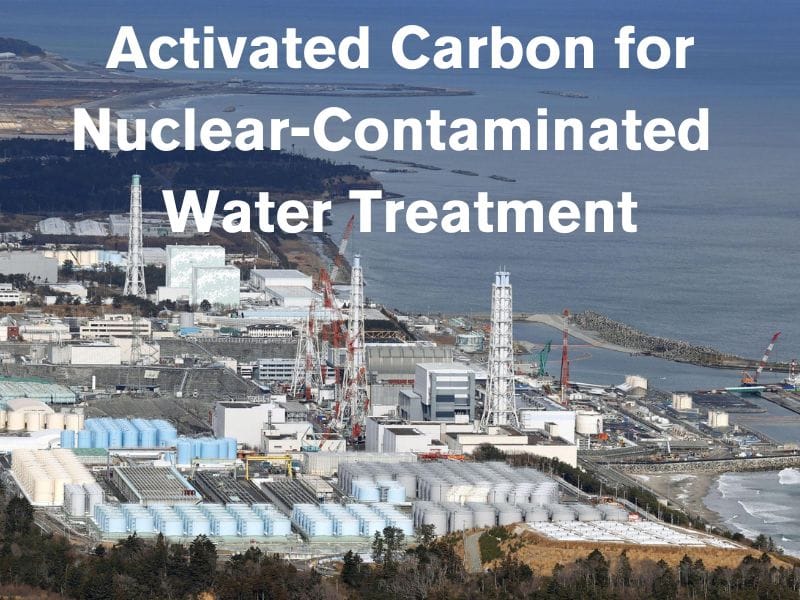
The Role of Activated Carbon in Nuclear-Contaminated Water Treatment
Activated carbon in water treatment is a porous material with strong adsorption properties and plays an important role in nuclear-contaminated water treatment. Nuclear wastewater contains a range of radionuclides and organic pollutants. Activated carbon, with its microporous structure and chemical affinity, can effectively absorb and remove these contaminants from the water.
Activated carbon has been specially treated to enhance its adsorption properties, e.g. carbon isation, oxidation or doping, and can be effective in the treatment of nuclear wastewater.
High-efficiency adsorption: activated carbon can efficiently adsorb radionuclides and organic pollutants and reduce their concentration, so that the quality of sewage can be improved.
Removal of radioactive substances: activated carbon can effectively remove radioactive substances such as caesium, strontium and cobalt, reducing the risk of radiation contamination.
Reduction of environmental risks: Through the use of activated carbon, the adverse effects of nuclear effluents on the environment can be reduced and environmental safety can be improved.
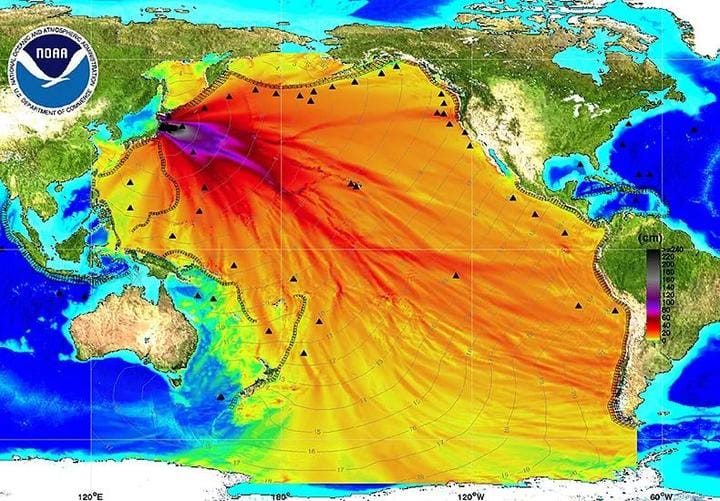
Improved efficiency of subsequent treatment: Reducing the concentration of pollutants in nuclear effluent makes subsequent treatment processes (e.g., sedimentation, filtration, etc.) easier to implement and improves the efficiency of the overall treatment system.
Notice: The performance and effectiveness of activated carbon are influenced by several factors. Therefore, it is important to meticulously choose the suitable type of activated carbon, operational parameters, and equipment to ensure the optimal treatment of nuclear-contaminated water.