Powder Activated Carbon for Lubricant Purification
The Role of Lubricant
Lubricants play a vital role in the field of mechanical engineering, which are mainly used to reduce friction between mechanical components and prevent their corrosion and oxidation in order to prolong the life of mechanical components and improve the performance and efficiency of mechanical systems.
The Importance of Lubricant pH
The pH of a lubricant is typically maintained at or near neutral (around 7 or so) to prevent corrosion of mechanical parts and lubricant failure or degradation. A pH level that is too high or too low can adversely affect lubricant performance and mechanical components. Therefore, maintaining the pH of the lubricant within the proper range is critical to ensuring lubricant performance and longevity.
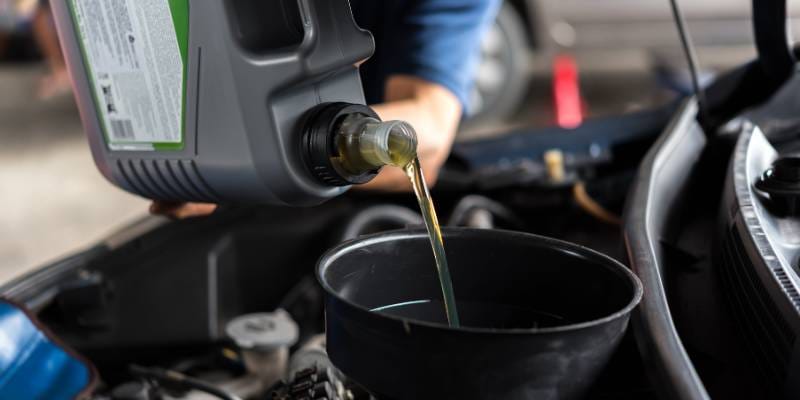
Key Role of Activated Carbon in Lubricant Purification
Types of activated carbon is vital in the lubricant production process to improve the purity, quality and performance of lubricants while protecting mechanical systems from contamination and damage.
Removal of Contaminants: Activated carbon is a highly effective adsorbent that removes impurities and contaminants from lubricants, such as water, acids, deposits and odors, in order to improve the purity and quality of the lubricant.
Odour removal: Colouring and odouring substances in lubricants degrade their quality and performance, and activated carbon removes these odours and colourings.
Maintains PH Neutrality: Activated carbon can neutralise acids in the lubricant and reduce the acid value of the lubricant, thus extending the life of the lubricant.
Protecting mechanical systems: Powder activated carbo can purify lubricating oil and reduce friction and wear between mechanical components, helping to extend the life of mechanical components and reduce maintenance costs.
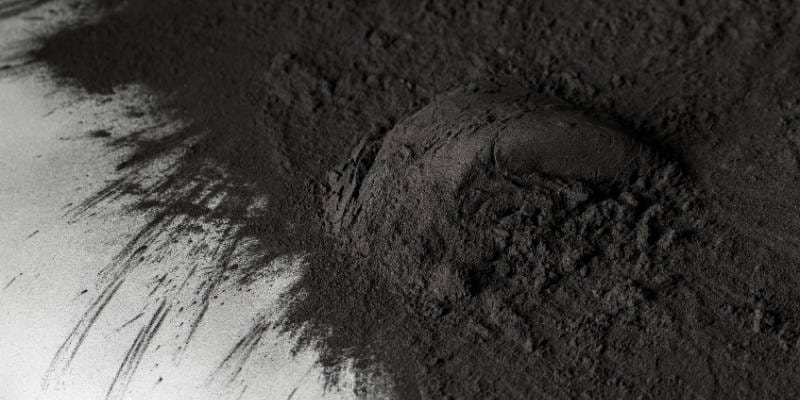
Notice: As an adsorbent used to remove pollutants from lubricating oils, the pH value of activated carbon is too high or too low, which may lead to changes in the acidity or alkalinity of the lubricating oil, thus adversely affecting the mechanical components, so the pH value of the activated carbon is also critical in the lubricating oil production process, and needs to be close to neutral.